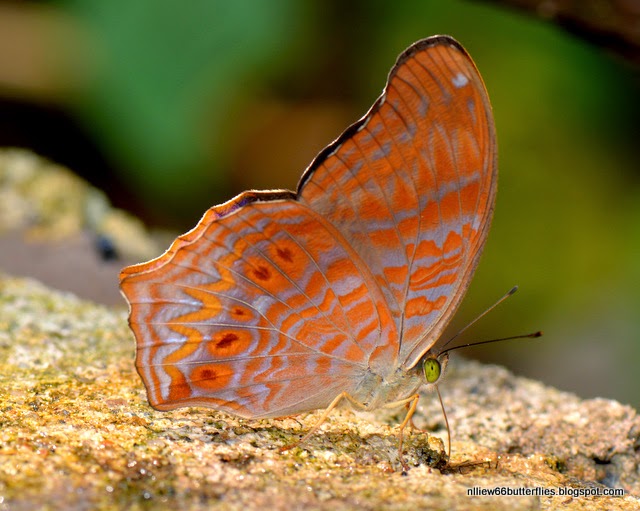
This is not an uncommon butterfly, found usually singly and having affinity for cement structures. They seem to like shades and retreat to the forest in the afternoon. They share the same localities with T. terpander which is smaller and has a shorter tail projection.
Habitat indicator
RSP
|
WV
|
PG
|
VF
|
FTR
|
SC
|
LWDF
|
LWPF
|
LMEF
|
UMN
|
MN
|
x
|
Frequency observation chart: (S marks the usual occurence, H mark an unusually high occurence, F for first record)
2013
|
2014
| ||||||||||
Nov
|
Dec
|
Jan
|
Feb
|
Mac
|
Apr
|
May
|
Jun
|
Jul
|
Aug
|
Sep
|
Oct
|
S2
| |||||||||||
2014
|
2015
| ||||||||||||
Nov
|
Dec
|
Jan
|
Feb
|
Mac
|
Apr
|
May
|
June
|
Jul
|
Aug
|
Sep
|
Oct
|
Nov
|
Dec
|
S1
| |||||||||||||
2016
|
|||||||||||
Jan
|
Feb
|
Mac
|
Apr
|
May
|
Jun
|
Jul
|
Aug
|
Sep
|
Oct
|
Nov
|
Dec
|
S2
|
S20
|
||||||||||
2017
|
|||||||||||
Jan
|
Feb
|
Mac
|
Apr
|
May
|
Jun
|
Jul
|
Aug
|
Sep
|
Oct
|
Nov
|
Dec
|
S20
|
S1
|
||||||||||
2018
|
|||||||||||
Jan
|
Feb
|
Mac
|
Apr
|
May
|
Jun
|
Jul
|
Aug
|
Sep
|
Oct
|
Nov
|
Dec
|


Above pictures of a female 13 May 2014 @ 13:13 - 13:18. The female has decidedly more falcate forewings than the males and lesser areas of metallic blue-purple sheen on the uppersides. They can be differentiated from T. clarissa by their white post-discal spots on the HW (The chevron-shaped post-discal spots of T. clarissa are dark purple in colour).


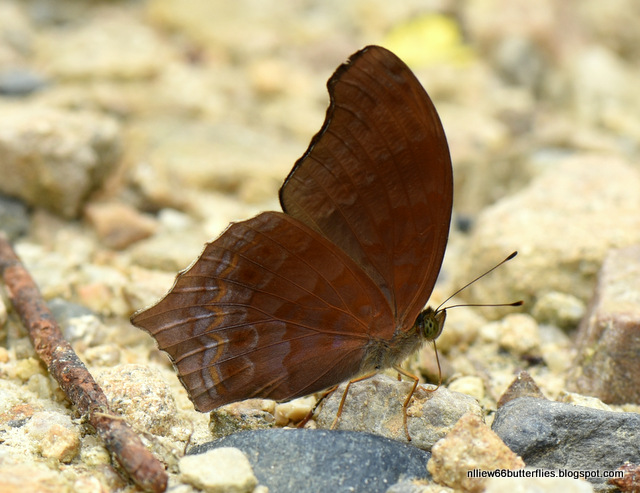
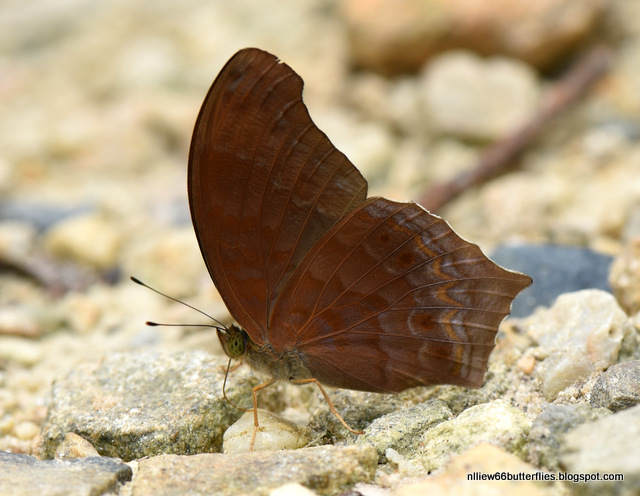
Above photos of a male: 25 June 2016 @ 15:48

07 Jan 2017 @ 10:32

14:03

14:04

14:06

14:06
14:08
14:08
Above pictures 08 April 2017